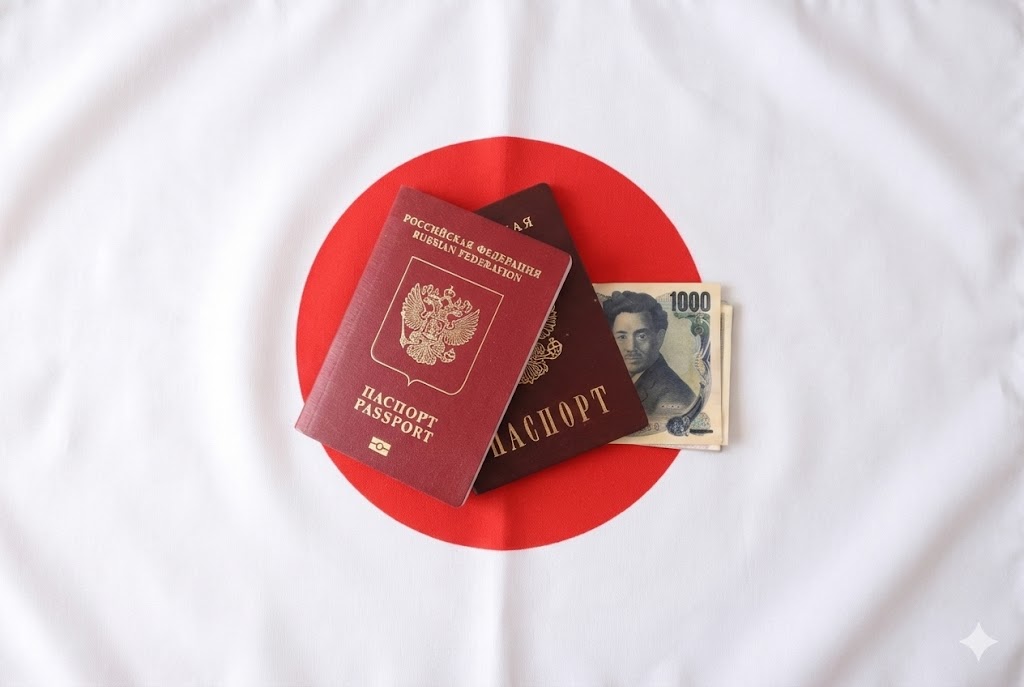
This article examines the study "Contact with Foreigners and Attitudes Toward Foreigners," which uses data from JGSS-2003 to analyze what types of contact experiences with foreigners in Japanese society reduce prejudice and xenophobia (opposition to increased immigration) among Japanese people. While the study dates back to 2006 and may be difficult to apply directly to today's social media-driven environment, it offers valuable insights for considering coexistence with foreign residents in Japan as a general trend.
The Suppressive Effect of "Casual Contact" on Xenophobia
Previous Western research suggests that contact satisfying specific conditions, such as "equal status" or "collaborative tasks," is effective in reducing prejudice. In addition to these, this analysis focuses on the effects of daily, informal contact, such as exchanging greetings, which is more common in Japanese society.
The results revealed that, compared to those with no contact experience, not only does "active contact" (based on personal choice) reduce xenophobia, but mere "passive contact"—such as simply exchanging greetings or seeing foreigners in one's neighborhood—also significantly reduces exclusionary attitudes.
In other words, simply passing by foreign residents on the street can have an effect in suppressing xenophobia. This suggests that in Japanese society, where contact with foreigners is relatively rare, "casual" contact without conflicting interests—even if not as deep as workplace interaction—can function as a medium to provide information that corrects negative stereotypes. Interestingly, while a high ratio of foreign population at the prefectural level can be a factor that increases xenophobia, individual-level contact opportunities conversely reduce it. The study concludes that regional characteristics and the effects of individual contact experiences must be distinguished.
The Disconnect Between Cyberspace "Contact" and Reality
Although this study is 20 years old, the absolute number and ratio of foreign residents in Japan remain low compared to the West. While the number has increased significantly compared to 20 years ago, this increase is largely limited to urban areas, and rural areas remain largely unchanged.
Harsh views toward foreign residents are scattered across the internet, but online discourse does not necessarily link to real-world discourse. Given the anonymity of the internet, it is extremely difficult to identify the exact profiles of those spreading exclusionary rhetoric. Therefore, applying the trends of this study, it cannot be denied that those disseminating xenophobic discourse likely have no contact, or extremely limited contact, with foreign residents in reality.
Towards Coexistence as "Neighbors"
While this study focused on real-world contact, the significant influence of the internet today requires further detailed examination. What is the difference between passing a foreign resident on the street versus seeing negative news about foreigners online? For many in modern Japan, the latter type of "contact" may be more prevalent.
However, foreign residents are human beings and neighbors with whom we must coexist. The internet often strips away this premise, leaving only the impression of "the foreigner" to walk alone. As confirmed by this study, perhaps what is required of the government is to create more opportunities for people to actually interact with foreign residents in person.
References
Shigemi Otsuki. (2006). Contact with Foreigners and Attitudes Toward Foreigners. Japanese General Social Surveys Research Series, 5, 149-59.